How can CRM data analysis help you grow business sales?
NASP
Image source: Pexels
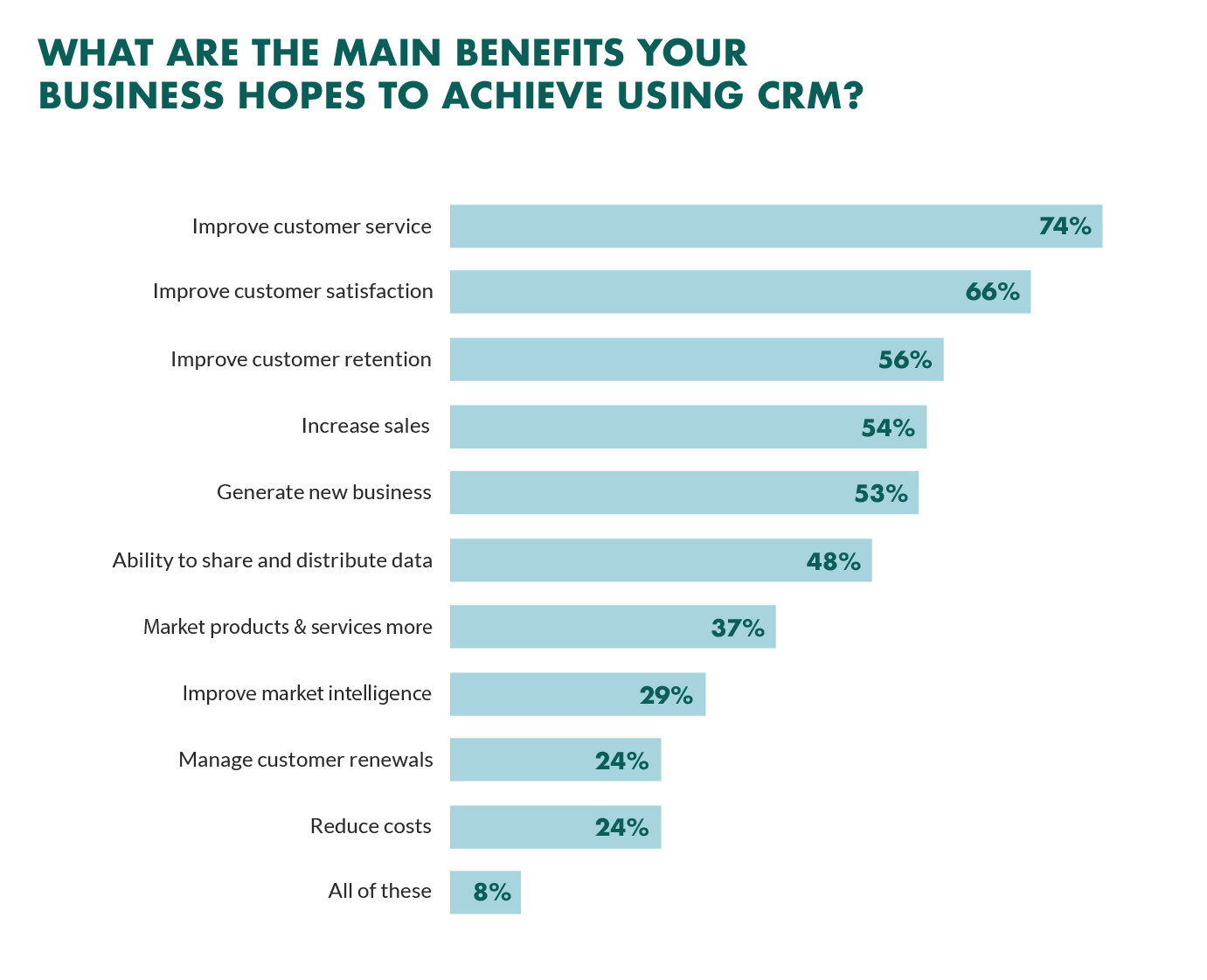
CRM data analysis helps you better understand how you are engaging with leads and customers across various touchpoints. You can use those insights to improve your customer service, marketing efforts, lead management, and sales.
My article should provide you with a framework for conducting a CRM data analysis. You’ll review some relevant case studies and gain valuable insights you can apply to your business. But first, read on to know the four types of CRM data you should know.
Four Types of CRM Data
There are four types of CRM data: identity data, qualitative data, quantitative data, and descriptive data. Here’s a quick overview of the four different types of CRM data:- Identity CRM data helps you identify each customer. Identity Data includes information like name, address, social media details, email, and telephone number.
- Qualitative CRM data concerns customer attitudes, behaviors, and motivations related to buying decisions. The information is generally gathered through feedback and surveys.
- Quantitative CRM data helps you understand how the customer engaged with your company. It includes things like purchase history, order value, website visits, and social media engagements.
- Descriptive helps you better understand the customer, their pain points, and goals. A customer lifestyle profile includes information about online behavior, opinions, etc.
How CRM data analysis can help you generate more sales
We’ve covered the four categories of CRM data. Now it’s time to look at how to use this information to generate sales for your business. Below are some insightful examples from real businesses.-
Reduce your marketing costs
Use your CRM to improve your email marketing.
Email marketing is one of your most effective sales and marketing channels. You can use email to develop leads and convert prospects into customers. CRM software can help you spot engagement and sales patterns enabling you to run more effective email marketing campaigns. Let’s look at a real-life example. A&S Adria hosts security equipment exhibitions and runs two popular websites. Through utilizing a CRM, they could segment users more effectively based on interactions with their company. For example, they could segment people who:- Regularly attended events on one category
- Had attended one event into a category
- Were on an email list but had never attended an event
-
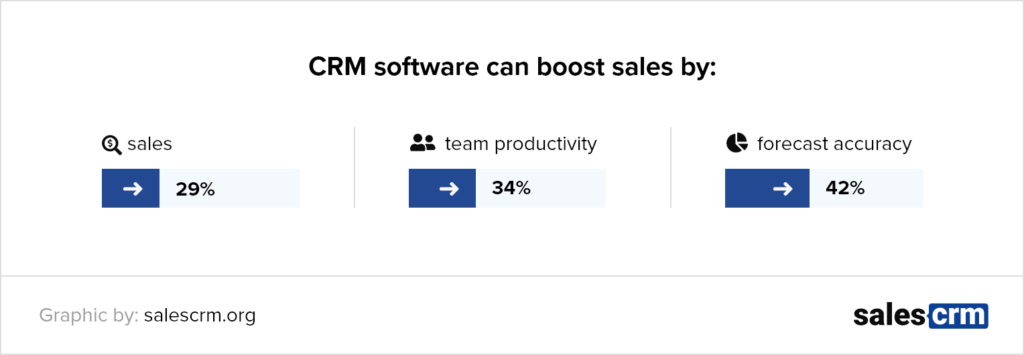
Improves productivity
-
Ensures better sales forecasts
Conclusion
Running a successful business is all about making sales. The good news is, you have all the tools you need at your disposal. CRM software is a potent tool. CRM data analysis can help you understand your customers. It can help with internal efficiency, too. Companies are incorporating CRM into their strategies, and it’s easy to see why. CRM data analysis can help with your marketing and sales processes. You’ve seen that in this article. Don’t miss out. Use CRM software and leverage CRM data analysis. Like the case studies in this article, you’ll make better business decisions. You’ll see.Share this article: